.svg)

%201.jpg)

Every organization has or will inevitably face disruptions. This could be a system outage caused by a cyberattack, a service interruption due to a problem with a supplier, or even an unexpected weather event that prevents work from being done. Although these incidents cannot always be prevented, organizations can be prepared for them so that their impact can be minimized or recovery time accelerated.
This is where ISO 22301:2019 comes in.
ISO 22301 is the international standard for business continuity. It provides a structured framework for identifying critical business activities, understanding the impact of disruptions, preparing response plans and continually improving organizational resilience. The standard is suitable for organizations of all sizes and industries, whether the goal is improving internal resilience or achieving accredited ISO 22301 certification.
ISO 22301 does simply addressing direct IT disruptions and technology. Its core aim is to ensure organizations continue delivering their most important products and services during and after disruptive incidents. It connects continuity directly to people, processes, facilities, suppliers and information and technology.
What is ISO 22301 and who is it for?
ISO 22301 specifies the requirements for establishing, implementing, maintaining and continually improving a Business Continuity Management System (BCMS). Rather than assuming disruptions can always be avoided, the standard helps organizations prepare for them so they can continue operating at acceptable levels when incidents occur.
Business continuity planning addresses a wide variety of scenarios, including:
- Cyberattacks and ransomware
- IT outages
- Supply chain disruptions
- Natural disasters
- Fire and loss of facilities
- Pandemics
- Utility failures
- Loss of key personnel
The standard applies to organizations of every size and sector. While it is especially valuable for organizations delivering critical services or operating in regulated industries, any organization that depends on reliable operations can benefit from a structured continuity management approach.
One common misconception is that business continuity is the same as disaster recovery. Disaster recovery primarily focuses on restoring IT systems after an incident. Business continuity is broader, covering the people, processes, communications, suppliers and facilities needed to keep the organization functioning. IT disaster recovery therefore forms one important part of an effective BCMS rather than the whole solution.
Table here
How does ISO 22301 work?
ISO 22301 follows the same high-level Annex SL structure used by other ISO management system standards such as ISO 27001 and ISO 9001. This makes it easier to integrate business continuity into an organization's existing management system.
Understand your organization
Implementation begins by understanding the organization's context, including legal requirements, stakeholder expectations, critical suppliers and infrastructure. The scope of the Business Continuity Management System (BCMS) should also be clearly defined.
Assess impacts and risks
The foundation of ISO 22301 is the Business Impact Analysis (BIA), which identifies critical activities, the consequences of disruption and recovery priorities, including Recovery Time Objectives (RTOs) and Recovery Point Objectives (RPOs).
Alongside the BIA, organizations assess risks such as cyber incidents, supplier failures, equipment failures and natural disasters to understand where continuity measures are needed most.
Plan for continuity
Using the results of the BIA and risk assessment, organizations develop continuity strategies and plans. These may include backup systems, alternative suppliers, manual workarounds, cross-trained employees or cloud-based recovery solutions.
Throughout the process, top management is expected to provide leadership, approve the business continuity policy and ensure sufficient resources are available to maintain and improve the BCMS.
Business continuity planning in practice
Once continuity strategies have been selected, they need to be turned into practical, documented plans that can be followed during a disruption.
Business continuity plans should clearly define:
- When the plan is activated
- Roller och ansvarsområden
- Escalation procedures
- Recovery activities
- Communication methods
Organizations often maintain separate crisis management, business continuity and IT disaster recovery plans that work together during an incident.
Clear communication is equally important. Procedures should cover how employees, customers, suppliers, regulators and other stakeholders will be informed during disruptions, including alternative communication channels if primary systems are unavailable.
ISO 22301 also emphasizes preparation. Employees should understand their roles through regular training and awareness activities, while continuity documentation should be reviewed, updated and kept accessible.
Finally, business continuity plans should be regularly tested through exercises such as tabletop discussions, recovery drills or simulations. Testing helps verify that plans work in practice and identifies opportunities for continual improvement.
Maintaining and improving your Business Continuity Management System
ISO 22301 requires organizations to monitor and evaluate the performance of their business continuity management system (BCMS). This may include measuring exercise results, recovery performance, plan review cycles and corrective actions to ensure continuity arrangements remain effective.
Managing a BCMS is easier when all continuity activities are in one place. Cyberday helps you manage business impact analyses, continuity plans, exercises, documentation and improvement actions alongside information security, quality, environmental management and other compliance requirements.
Organizations should also conduct internal audits at planned intervals to verify the BCMS meets both ISO 22301 and internal requirements. Audit findings, lessons learned and organizational changes should be reviewed by top management to identify improvement opportunities.
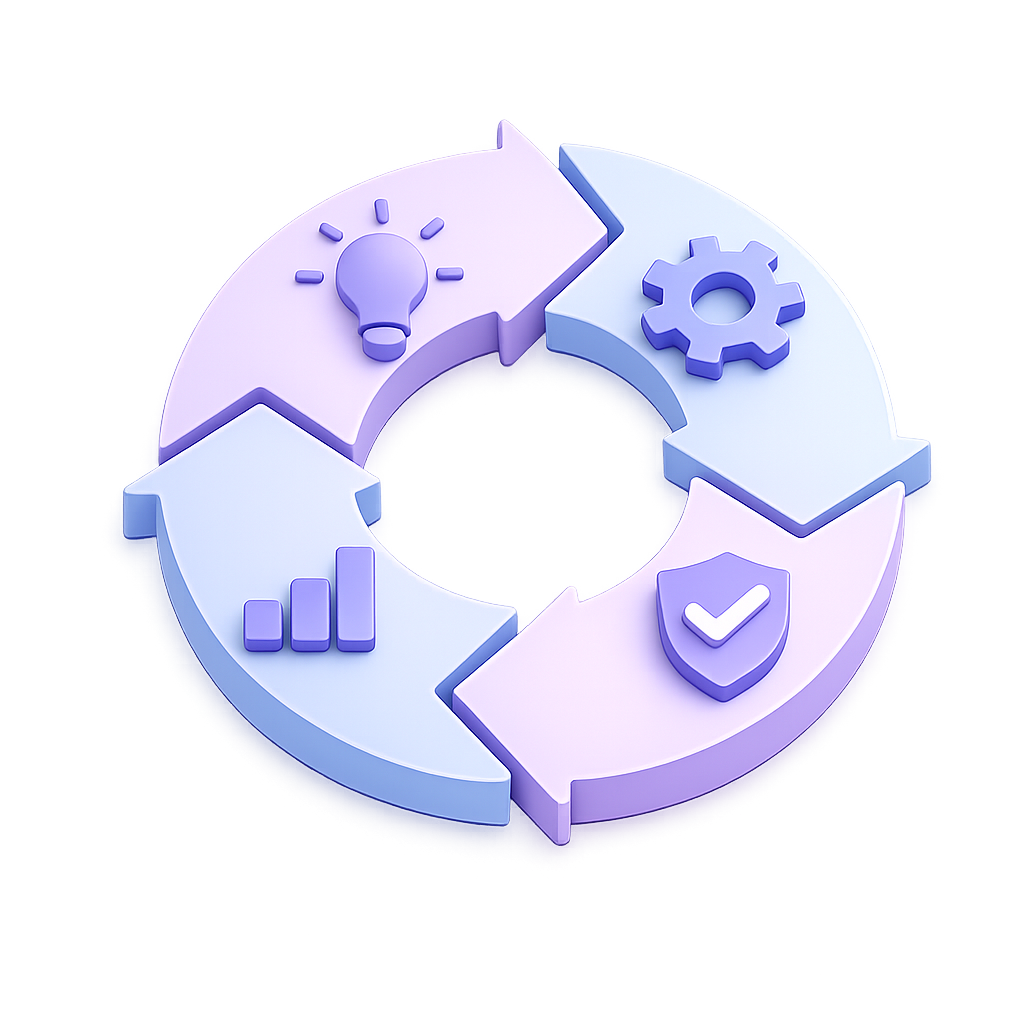
Like many ISO standards, ISO 22301 follows the Plan–Do–Check–Act (PDCA) cycle: plan, implement, evaluate and continually improve. This helps keep business continuity aligned with changing risks and business needs.

ISO 22301 certification and key takeaways
Organizations can implement ISO 22301 to strengthen their business continuity practices or pursue certification through an accredited certification body. Certification provides independent assurance that the organization's Business Continuity Management System (BCMS) meets internationally recognized requirements.
More importantly, ISO 22301 helps organizations understand their critical operations, prepare for disruptions and recover more effectively when incidents occur. Through business impact analysis, risk assessment, continuity planning, regular testing and continual improvement, organizations can reduce downtime, improve resilience and build confidence among customers, partners and regulators.
Ultimately, ISO 22301 turns business continuity from a reactive response into a proactive, organization-wide capability that supports long-term resilience and operational stability. Implementing ISO 22301 is not only about compliance; it is about ensuring your organization is built to last, no matter what comes its way.